How to Measure AEO/GEO: Visibility, Mentions & Leads
Measure AI Search Optimisation (AEO/GEO) properly. Track AI visibility, citations, referral traffic, brand mentions and—most importantly—leads.
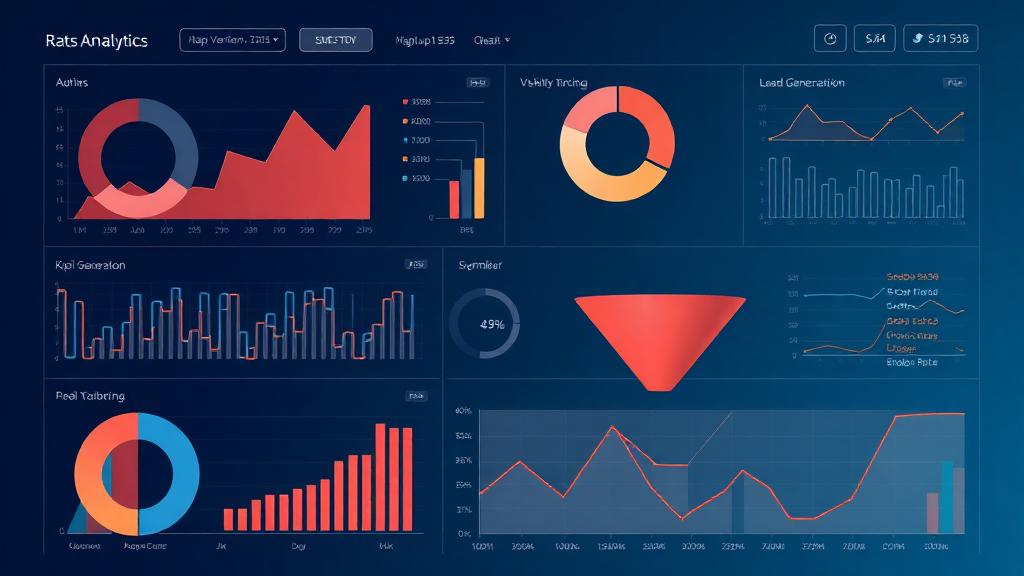
How to Measure AI Search Optimisation (AEO/GEO): A Simple Reporting System for SMEs
One of the biggest frustrations business owners have with "AI Search Optimisation" is this:
"How do I know it's working?"
With traditional SEO, you could point to keyword rankings and organic traffic. With AI-powered search experiences, the customer journey can be less obvious:
- sometimes you get cited,
- sometimes you're mentioned without a link,
- sometimes the person discovers you in an AI answer and searches your brand later,
- and sometimes the referral source doesn't show up cleanly in analytics.
So yes—measurement is different now.
But it's not impossible. In fact, for SMEs in Surrey and London, you can build a reporting system that is:
- practical,
- tied to enquiries and revenue,
- and clear enough to make confident decisions each month.
This guide shows you exactly how.
If you want the complete strategy framework, start with the hub page: AI Search Optimisation (AEO/GEO) for Surrey & London SMEs.
Quick answer: what should you measure for AEO/GEO?
For AI Search Optimisation, the most useful measurement model is:
1) Business outcomes (primary metrics)
These answer: "Is this generating value?"
- Qualified enquiries (forms, calls, booked meetings)
- Enquiry-to-client conversion rate
- Average deal value and pipeline created
- Revenue from organic and assisted organic sources
2) Visibility signals (secondary metrics)
These answer: "Are we becoming more discoverable?"
- Referral traffic from AI tools (where available)
- Brand search growth (people searching your business name)
- Engagement on key pages (time, scroll depth, conversion rate)
- Impressions and clicks in Search Console (topic-level)
3) Proof of presence in AI answers (diagnostic metrics)
These answer: "Are we being cited or mentioned?"
- Number of times you're cited/linked in AI answers (prompt testing)
- Mentions without links (manual checks)
- Share of voice vs competitors for a defined prompt set
The goal is not to chase vanity metrics. It's to create a system that tells you:
- what is improving,
- what is driving enquiries,
- and what to do next.
Why rankings aren't enough anymore (and what replaces them)
Rankings still matter in SEO, but they don't tell the whole story in AEO/GEO because:
- AI answers can reduce clicks (even if you rank).
- The user might see you recommended, then convert later.
- AI citations can be inconsistent (varies by query phrasing and context).
- Some AI referrals may not pass clean attribution.
So instead of "rankings only", you want a multi-signal dashboard.
Think of it like running a business:
- You don't judge performance by one number.
- You look at leads, pipeline, conversion rates and trends.
AEO/GEO should be no different.
Step 1: Set your measurement baseline (before you optimise)
Before you change content, set a baseline so you can prove improvement.
A) Define your "money topics"
These are the topics that drive leads, not just traffic.
For example (for Surrey & London SMEs):
- "AI Search Optimisation / AEO / GEO"
- "SEO services Surrey"
- "web design Surrey"
- "conversion rate optimisation"
- "AI chatbots for business"
- "SEO vs PPC" (decision support)
- "website cost Surrey" (high intent)
B) Choose 5–10 competitor references
Not to obsess over them—just to compare visibility.
C) Create a prompt set (your AI visibility test list)
This is the key AEO/GEO measurement tactic.
Create 25–50 prompts, including:
- informational ("What is AEO?")
- commercial ("Best AEO agency for SMEs in Surrey?")
- comparison ("AEO vs SEO?")
- local ("web design agency Surrey for small business")
- problem-led ("How do I get more leads from my website?")
Important: Keep the prompts consistent so you can re-run them monthly.
Step 2: Track leads properly (because that's the point)
AEO/GEO success should show up in lead data.
What to track (minimum)
- Form submissions (with a "Thank you" page or event tracking)
- Phone calls (click-to-call + call tracking if possible)
- Booked discovery calls / meeting bookings
- Email enquiries (if you use a trackable form or link events)
Add one simple question to every form
This is the easiest way to capture "dark" discovery sources:
"How did you hear about us?"
Options:
- Google search
- AI assistant (ChatGPT / Perplexity / Copilot etc.)
- Recommendation
- Social media
- Referral
- Other (text box)
This is not perfect, but it's extremely valuable. Many SMEs skip it and lose insight.
Align your CRM or sales notes
If you're using a CRM (or even a spreadsheet), add fields for:
- first-touch source (where they first discovered you)
- last-touch source (what made them enquire)
- service requested (SEO / AEO / web design)
- location (Surrey / London)
This makes reporting far more actionable.
Step 3: Track AI referral traffic (useful, but don't rely on it alone)
Some AI platforms will pass referral traffic in analytics, and some won't consistently.
What to do in analytics
- Check referral sources regularly
- Create a segment for AI-related referrers (where they appear)
- Track landing pages receiving AI referrals
Even if AI referrals are low initially, seeing them increase is a good signal.
Expect "incomplete" data
A prospect might:
- discover you via an AI answer,
- then search your brand name,
- then click your site through Google,
- then enquire.
Analytics might record that as "Organic" or "Direct", not "AI".
That's why your form question and prompt audits matter.
Step 4: Use Search Console as your "topic trend" tool
Search Console remains one of the best free tools for understanding:
- which queries are triggering impressions,
- which pages are gaining visibility,
- and how your topical authority is growing.
How to use it for AEO/GEO
Instead of obsessing over one keyword, track topics:
- impressions for AEO/GEO related queries
- impressions for your service pages (SEO, web design, CRO)
- clicks and CTR trends after content upgrades
What good looks like
- Rising impressions across a topic cluster
- A few spokes starting to pick up long-tail queries
- Hub pages becoming the internal linking centre that grows steadily over time
Step 5: Run a monthly "AI prompt audit" (the core AEO/GEO measurement)
This is the simplest way to track whether you're being:
- mentioned,
- cited,
- and recommended.
How to do it
Once per month:
- 1.Run your prompt set (25–50 prompts).
- 2.Record what the AI answer says.
- 3.Note whether your business is mentioned.
- 4.Note whether you're cited (linked).
- 5.Note which competitors are being mentioned instead.
Use a simple spreadsheet
Columns to include:
- Prompt
- Topic cluster (AEO / SEO / Web design)
- Location context (Surrey / London / UK)
- Result: Mentioned? (Y/N)
- Result: Cited/linked? (Y/N)
- Competitors mentioned
- Notes: what the answer emphasised
- Action: what content to improve
What this tells you
Over time, you'll see:
- which topics you're gaining share of voice in,
- which prompts you're weak on,
- and what content gaps you need to fill.
This is incredibly actionable. It turns "AI search feels vague" into a concrete improvement plan.
Step 6: Track brand search and "assisted discovery"
As AEO/GEO works, a common pattern is:
- brand search increases,
- direct traffic increases,
- and enquiry quality improves.
What to monitor
- Google Search Console: branded query impressions/clicks (your business name)
- Analytics: direct traffic trends (as an indicator, not a proof)
- Sales calls: "I saw you recommended / I read your guide"
Brand demand is often the "invisible win" that traditional SEO reports miss.
Step 7: Build a monthly AEO/GEO report (simple and decision-focused)
Here's a report structure we use so clients can make decisions quickly.
Section 1: Executive summary (5 bullets)
- leads this month (vs last month)
- lead quality notes
- key visibility wins
- key content wins
- next month priorities
Section 2: Leads & pipeline
- enquiries by channel (organic, referral, direct, AI assistant self-reported)
- conversion rate (visitor → enquiry)
- top converting pages
- call booking volume and close rate (if you track it)
Section 3: Visibility signals
- Search Console impressions/clicks by topic cluster
- top growth pages
- internal linking progress (hub/spoke coverage)
- AI referral traffic (if present)
Section 4: AI prompt audit results
- number of mentions
- number of citations
- prompts where competitors dominate
- clear actions: "Create spoke X / upgrade section Y"
Section 5: Next actions (no more than 5)
This is where you keep momentum.
What results should you expect (realistic timelines)
AEO/GEO is not instant. But you can see early wins.
In the first 30 days
- stronger conversions from upgraded service pages
- clearer internal linking and user journeys
- better engagement on key pages
- early impression growth for new hubs/spokes
In 60–90 days
- spokes start to rank for long-tail queries
- topical impressions grow steadily
- early AI mentions/citations appear for some prompts
- enquiry quality improves (more educated prospects)
Over 3–6 months
- authority compounds across the cluster
- brand demand grows
- citations and recommendations become more consistent
- SEO + AEO/GEO become a self-reinforcing system
Common measurement mistakes to avoid
Mistake 1: Only tracking rankings
You'll miss the real story: assisted conversions, brand search, and enquiry quality.
Mistake 2: Expecting perfect attribution
AI discovery won't always show up neatly in analytics. Use multiple signals.
Mistake 3: Measuring too many things
Track what drives decisions. If the report is too complex, nobody uses it.
Mistake 4: Publishing without a conversion plan
If the page doesn't have a clear CTA and contact path, you can't turn visibility into leads.
FAQs
How do I know if someone found me through an AI assistant?
Use a "How did you hear about us?" field on your form, listen for it on calls, and track brand search growth. Combine this with monthly prompt audits.
Should I create separate reports for SEO and AEO/GEO?
You can, but it's usually better to keep one integrated report tied to leads. SEO foundations support AEO/GEO, and the outcomes overlap.
What's the single best AEO/GEO measurement tactic?
A consistent monthly prompt audit using a fixed list of prompts and competitor comparisons. It gives you clear actions, not vague guesses.
Want a measurement dashboard built around leads (not fluff)?
If you want a practical AEO/GEO reporting system—plus the content and site improvements that actually move the numbers—we can help.

Stay updated
Get insights on web design, AI, and digital strategy delivered to your inbox. No spam, just value.
We respect your privacy. Unsubscribe anytime with one click.